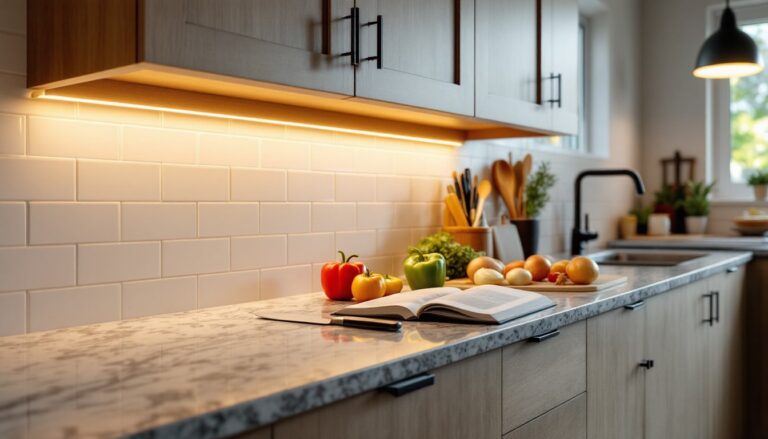
Farmhouse lighting over a kitchen island isn’t just about keeping things visible, it’s about nailing that rustic-meets-refined aesthetic that makes a kitchen feel both welcoming and stylish. The right fixtures blend function with character, casting warm light where it matters most while adding visual weight to the heart of the room. Whether you’re renovating an old farmhouse or bringing country charm to a suburban build, choosing the right island lighting ties the whole space together. This guide walks through style options, sizing rules, materials, and installation tips to help homeowners get it right the first time.
Table of Contents
ToggleKey Takeaways
- Kitchen island lighting farmhouse fixtures combine honest materials like metal and glass with simple geometry to deliver both task lighting and rustic-refined aesthetic that complements any kitchen design.
- Pendant lights are the most practical choice for island lighting, with three pendants recommended for 6-foot islands and four for 8 feet or more, spaced 18 to 24 inches apart center-to-center.
- Hang the bottom of any farmhouse island lighting fixture 30 to 36 inches above the countertop, and aim for a fixture width roughly equal to the sum of the island’s length and width converted to inches.
- Matte black and oil-rubbed bronze finishes are the most versatile farmhouse metal options, while seeded glass shades are more authentic to the farmhouse aesthetic than clear or frosted glass.
- Proper installation requires a ceiling junction box rated for the fixture’s weight, a non-contact voltage tester, and LED bulbs in warm white (2700K–3000K) to avoid glare and complement the farmhouse style.
- Layer island lighting with recessed cans or under-cabinet fixtures to ensure adequate ambient light, since farmhouse pendants alone may not provide sufficient lighting for all kitchen tasks.
Why Farmhouse Lighting Works Perfectly Over Kitchen Islands
Farmhouse fixtures bring a grounded, unpretentious look that complements the workhorse nature of kitchen islands. These pieces tend to feature simple geometry, honest materials like metal and glass, and finishes that show a little wear, think matte black, oil-rubbed bronze, or galvanized steel. That aesthetic works beautifully in the kitchen because islands are functional zones, not showpieces.
From a practical standpoint, farmhouse lights typically hang lower and deliver focused task lighting. Metal shades direct light downward, which is exactly what you need for prepping food, reading recipes, or spotting crumbs. The style also scales well: whether the island is a compact 4-foot prep surface or an 8-foot gathering spot with seating, farmhouse fixtures come in sizes that fit the footprint.
Another reason these fixtures shine: they pair well with mixed finishes and materials. A wrought iron chandelier doesn’t clash with stainless appliances or butcher block countertops. It holds its own without demanding the spotlight, which makes it easier to layer in other design elements like subway tile, shiplap, or open shelving. The versatility is what keeps farmhouse lighting popular year after year, even as trends shift.
Popular Farmhouse Lighting Styles for Kitchen Islands
Pendant Lights and Lanterns
Pendants are the workhorse of island lighting. Single-shade pendants in metal or seeded glass deliver clean task lighting and cluster well over longer islands. For a 6-foot island, three evenly spaced pendants work best: for 8 feet or more, consider four.
Barn-style pendants with gooseneck arms or wide metal shades are classic farmhouse. They mimic the utility lights found in old workshops and barns, and they cast a wide, even pool of light. Look for fixtures with adjustable cord or rod lengths, most islands need the bottom of the shade about 30 to 36 inches above the countertop for comfortable task lighting without glare.
Lantern pendants bring a bit more formality. These typically feature a cage or frame around a bulb, often in black iron or aged brass. They work especially well in kitchens with higher ceilings (9 feet or more) where a little extra visual height is needed. Lanterns also suit task-focused kitchen zones where both ambient and direct light are useful.
Chandeliers and Linear Fixtures
For islands that double as dining or gathering spaces, a farmhouse chandelier offers more presence than a row of pendants. These range from simple wagon-wheel designs to multi-arm candelabra styles. Chandeliers work best over islands at least 4 feet long: anything shorter risks the fixture overwhelming the space.
Linear chandeliers are a middle ground, long fixtures with multiple light sources arranged in a row. These are ideal for islands in the 7- to 10-foot range. A linear fixture simplifies installation (one junction box instead of three) and creates a cohesive look without the repetition of identical pendants.
When choosing between pendants and chandeliers, consider the island’s role. If it’s mostly for prep work, pendants deliver better task lighting. If it’s a social hub or doubles as a dining table, a chandelier or linear fixture adds a bit of ceremony. Many homeowners designing contemporary farmhouse kitchens lean toward linear fixtures for their flexibility and clean lines.
How to Choose the Right Size and Height for Your Island Lighting
Sizing is where most DIYers stumble. Too small and the fixture looks lost: too large and it dominates the room. Start by measuring the island’s length and width in feet. Add those two numbers together, then convert the result to inches, that’s a good target diameter or width for your fixture (or combined width if using multiple pendants).
For example: a 6-foot by 3-foot island (6 + 3 = 9) calls for roughly 9 inches of fixture width per pendant, or a total span of about 27 inches if using three pendants spaced evenly. For a single chandelier or linear fixture, aim for a width that’s about two-thirds the length of the island. A 72-inch island pairs well with a 48-inch linear fixture.
Height matters just as much. The general rule: hang the bottom of the fixture 30 to 36 inches above the countertop. If the island has seating, stay closer to 36 inches to avoid blocking sightlines. For islands used only for prep, 30 inches works fine and delivers better task lighting. If the ceiling is higher than 9 feet, add 3 inches of height for every additional foot of ceiling height.
Spacing between pendants should be consistent. For three pendants over a 6-foot island, space them about 18 to 24 inches apart, measured center to center. Don’t crowd them, aim for at least 6 inches of clearance from the edge of the island to the outermost pendants. Proper lighting layout planning ensures even coverage and balanced visuals.
Best Finishes and Materials for Farmhouse Kitchen Island Lights
Farmhouse fixtures lean heavily on metal finishes, matte black, oil-rubbed bronze, brushed nickel, and galvanized steel are the most common. Matte black is the most versatile: it pairs with modern, transitional, and traditional kitchens without clashing. Oil-rubbed bronze adds warmth and hides fingerprints and dust better than polished finishes. Galvanized steel or zinc brings an industrial edge that works well in kitchens with concrete counters or open shelving.
Glass shades come in two main styles: clear and seeded (or wavy). Clear glass is cleaner and more formal: seeded glass diffuses light slightly and hides dust and smudges. For farmhouse aesthetics, seeded glass feels more authentic. Avoid frosted glass, it’s too modern and softens the light too much for task-heavy island work.
Wood accents are gaining traction in 2026, especially in fixtures that combine metal frames with wooden beads or turned details. These work best in kitchens with existing wood tones, butcher block counters, wood-look tile, or natural cabinetry. Just keep the wood proportion modest: too much and the fixture starts to look more rustic lodge than farmhouse.
Steer clear of overly distressed or “shabby chic” finishes unless the rest of the kitchen leans heavily vintage. The 2026 farmhouse look is cleaner and more streamlined than it was a decade ago. Think less flea market, more modern farmhouse with intentional patina.
Installation Tips for DIY Farmhouse Island Lighting
Before buying fixtures, confirm the island has electrical access. Most modern builds include a junction box in the ceiling above the island, but older homes may not. If there’s no box, running new wiring typically requires opening drywall and may need a permit and a licensed electrician, especially if the circuit needs upgrading.
If the island requires multiple pendants, decide whether to use individual junction boxes or a single box with a multi-pendant canopy. Multi-pendant canopies simplify installation and create a cleaner ceiling line, but they require careful spacing during the rough-in phase. Individual boxes offer more flexibility for adjusting pendant positions later.
Safety first: Turn off power at the breaker, not just the wall switch. Use a non-contact voltage tester to confirm the circuit is dead before touching any wires. Wear safety glasses when working overhead, and use a sturdy stepladder, not a chair or countertop.
Most farmhouse pendants use a rod or cord and canopy setup. Measure carefully before cutting the rod or cord: it’s easier to shorten than to extend. Thread wires through the rod, connect them to the fixture’s leads (typically black to black, white to white, and green or bare copper to ground), and secure everything with wire nuts. Tuck the connections neatly into the junction box, then attach the canopy.
For heavier fixtures (chandeliers or multi-arm linear pieces), make sure the junction box is rated for the weight. Standard plastic boxes max out around 50 pounds: anything heavier requires a metal box or a ceiling fan-rated box with bracing. If in doubt, install a ceiling fan brace between joists, these are retrofittable through the existing box opening with an expanding bar.
Once wired, install the correct bulbs. Most farmhouse fixtures look best with Edison-style LED bulbs or standard A19 bulbs in warm white (2700K to 3000K). LED bulbs labeled “filament” or “vintage” mimic the look of incandescent bulbs without the heat or energy waste. Avoid bulbs over 60-watt equivalent unless the fixture specifies otherwise: too much light creates glare on task surfaces.
Finally, level and adjust. Step back and check that pendants hang evenly. Use a measuring tape to confirm consistent height and spacing. Small tweaks make a big difference, one pendant half an inch lower than the others will catch the eye every time. If dimming is desired, make sure both the fixture and bulbs are dimmable, and install a compatible LED dimmer switch. Older incandescent dimmers can cause LEDs to flicker or hum.
For kitchens with limited space or unique layouts, consider supplementing island lighting with recessed cans or under-cabinet fixtures. Farmhouse pendants are beautiful, but they don’t always provide enough ambient light on their own. Layering multiple fixture types ensures the kitchen is functional at all hours and for all tasks.
Farmhouse island lighting in 2026 balances timeless style with practical function. The fixtures homeowners choose today should serve them well for years, not just because they look good, but because they’re properly sized, safely installed, and built to last. With the right approach, farmhouse lighting becomes one of those details that quietly elevates the whole kitchen, turning a functional workspace into the kind of room where people naturally gather. For more regional inspiration and farmhouse design ideas, Southern Living offers a wealth of project galleries and material recommendations.