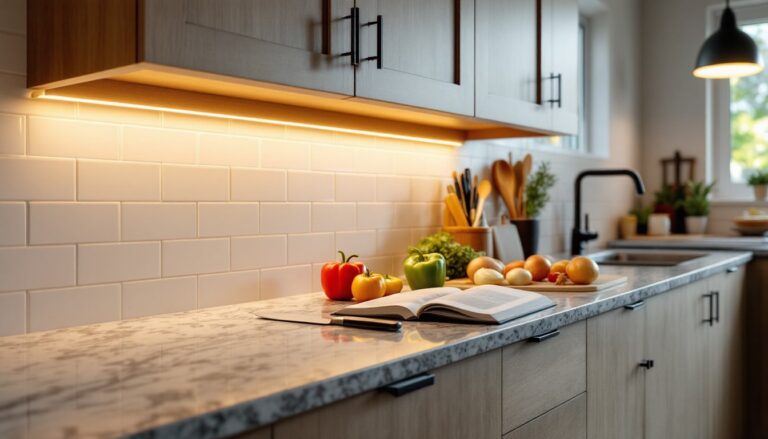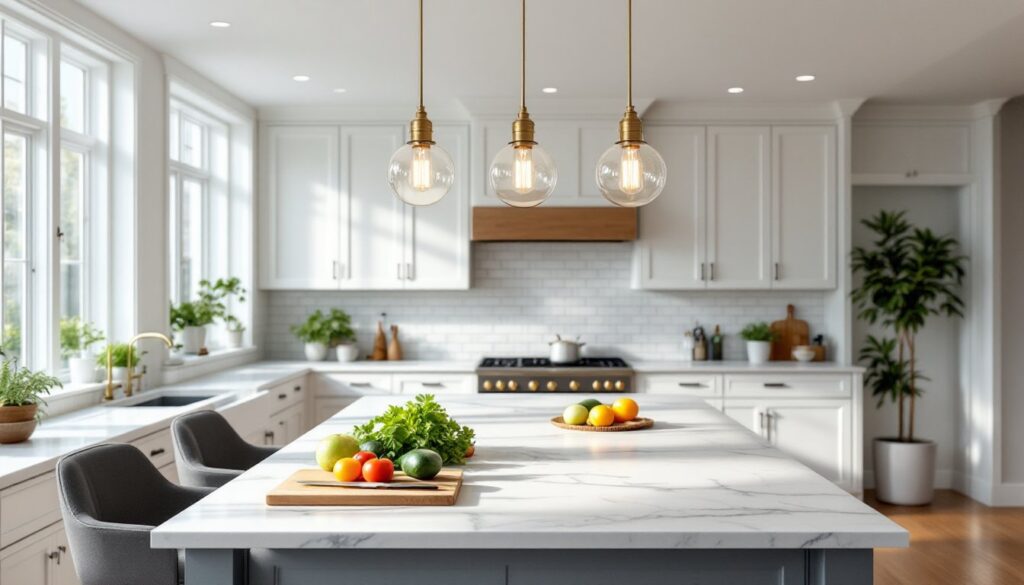
Hanging the right lighting over your kitchen island can make or break the whole room. It’s not just about visibility, it’s about setting the tone, defining your work zone, and adding character to the busiest spot in your home. Whether you’re chopping vegetables or hosting friends, your island lighting needs to work hard and look good doing it. From sleek modern pendants to chunky industrial fixtures, the options are endless. But picking the right style, size, and placement takes more than scrolling through Pinterest. This guide walks you through practical, proven ideas that actually work in real kitchens.
Table of Contents
ToggleKey Takeaways
- Hanging kitchen island lighting requires balancing three functions: task lighting (50+ lumens per square foot), ambient visibility, and accent lighting to set the mood and define your space.
- Proper hanging height of 30 to 36 inches from the fixture bottom to countertop, combined with appropriate sizing (roughly one-third your island width), ensures optimal task lighting and headroom.
- Modern, rustic, and industrial pendants each offer distinct aesthetics—choose based on your ceiling height (standard 8-foot requires compact mounts, while 9+ feet allows statement pieces) and existing kitchen materials.
- When selecting hanging kitchen island lighting, maintain consistent finishes and spacing of 24+ inches between fixtures to create a proportional, cohesive look rather than a cluttered appearance.
- Mixing fixture styles works best by varying size while keeping the same finish and design family, or using unifying elements like metal finishes and bulb types to tie contrasting pieces together.
Why Kitchen Island Lighting Matters for Your Space
Your island isn’t just extra counter space, it’s command central. Most homeowners prep meals, serve food, help with assignments, and entertain guests all in this one spot. That means your lighting has to pull triple duty: task lighting for detailed work, ambient lighting for general visibility, and accent lighting to set the mood.
Task lighting is non-negotiable. You need at least 50 lumens per square foot over work surfaces to safely chop, dice, and read recipes. Pendants with downward-focused light or fixtures with internal reflectors work best here. Don’t rely on your overhead ceiling lights alone, they cast shadows right where you’re working.
But function alone won’t cut it. Island lighting is often the focal point of your kitchen. It draws the eye as soon as someone walks in. The right fixtures can tie together your cabinet hardware, backsplash tile, and countertop materials into one cohesive look. Get it wrong, and the whole room feels off, no matter how expensive your appliances are.
Finally, consider your ceiling height and island dimensions before you commit to any style. A standard 8-foot ceiling requires flush-mount or semi-flush fixtures if your island is narrow. Vaulted or 9+ foot ceilings open up options for statement pendants and chandeliers. Measure twice, buy once, returns on hardwired lighting are a pain.
Modern Pendant Light Designs for Contemporary Kitchens
Modern pendants are all about clean lines, geometric shapes, and materials like glass, polished nickel, and matte black metal. Think globe pendants, drum shades, and abstract sculptural pieces that look like they belong in a gallery. These fixtures pair beautifully with quartz countertops, handleless cabinetry, and subway tile.
For a minimalist approach, try clear glass globe pendants in varying sizes. Hang three in a row over a long island, spaced evenly at 24 to 30 inches apart. The transparency keeps sightlines open, which is clutch in smaller kitchens or open-concept layouts. Pair them with Edison-style LED bulbs for a warm glow that softens the modern edge.
If you want bolder geometry, look at angular or cage-style pendants in brushed brass or matte black. These work especially well in kitchens with recessed lighting layouts that need a strong visual anchor over the island. The key is balance, if your cabinetry is already bold, keep the fixtures simple. If your kitchen is neutral, let the lighting make the statement.
Don’t overlook adjustable-height pendants with slim aircraft cables or rods. They let you fine-tune the drop to suit your ceiling height and personal preference. Most electricians recommend hanging the bottom of the pendant 30 to 36 inches above the countertop for optimal light spread and headroom.
Finally, modern doesn’t mean cold. Warm white bulbs (2700K to 3000K) keep contemporary fixtures from feeling sterile. Dimmable options are worth the extra $20 per switch, you’ll want softer light for evening entertaining.
Rustic and Farmhouse-Inspired Island Lighting
Farmhouse lighting leans into warmth, texture, and a little bit of nostalgia. We’re talking weathered wood beams, seeded glass, oil-rubbed bronze, and wrought iron. These fixtures feel right at home with shiplap, butcher block counters, and apron-front sinks.
One of the most popular choices is the lantern-style pendant. Available in single or multi-light configurations, lanterns add vertical interest and a touch of old-world charm. Hang a pair of oversized lanterns over a wide island, or line up three smaller ones for a more tailored look. According to design sources like Remodelista, layering textures, like pairing black metal lanterns with reclaimed wood shelving, creates that lived-in, curated vibe.
For something softer, consider seeded or frosted glass pendants with bronze or aged brass hardware. The glass diffuses light evenly, reducing glare while still providing plenty of brightness. These work well in kitchens where you want task lighting over the island without harsh shadows.
Wagon wheel or linear chandeliers are another solid option, especially over longer islands (72 inches or more). These fixtures stretch the full length of your island and often include multiple bulbs, giving you serious light output. Just make sure your ceiling junction box is rated for the weight, most farmhouse chandeliers weigh 15 to 30 pounds, and you’ll need a crossbar or fan-rated box for proper support.
If you’re DIY-friendly, you can customize farmhouse pendants with vintage Edison bulbs or even wire your own fixtures using mason jars and pendant kits. Just remember: any hardwired lighting work should follow NEC guidelines, and if you’re unsure about load calculations or circuit capacity, call a licensed electrician.
Industrial and Metal Fixture Options
Industrial lighting brings an edgy, utilitarian vibe. It’s raw, honest, and works in both lofts and suburban kitchens that lean modern or transitional. Expect materials like galvanized steel, brushed aluminum, aged copper, and exposed hardware.
Metal cone or dome pendants are the backbone of industrial style. Often enameled in white, black, or gunmetal gray, these fixtures were originally used in factories for their durability and focused light output. Hang them low, around 30 inches above the counter, to maximize task lighting and emphasize their sculptural shape.
For a less expected take, try cage or wire-frame pendants that expose the bulb completely. Pair them with vintage-style filament bulbs (even if they’re LED) for that authentic workshop look. These fixtures work especially well in kitchens with open shelving or exposed brick, where the industrial vibe already exists.
Linear suspension fixtures, basically a single rod or pipe with multiple pendants attached, are ideal for longer islands. You can find them in matte black, brushed nickel, or even powder-coated colors. They provide even light distribution and a cohesive look without the fuss of spacing individual pendants perfectly.
If your kitchen has higher ceilings (10 feet or more), consider a statement piece like a large pulley-style pendant or articulating arm fixture. These often feature adjustable arms or movable shades, giving you flexibility to direct light where you need it. Just be mindful of weight and mounting, some of these fixtures tip the scales at 40+ pounds and require blocking in the ceiling or a structural attachment point.
One note on finishes: industrial metals can show fingerprints and water spots. If that bugs you, opt for matte or textured finishes over polished ones.
How to Choose the Right Size and Placement
Getting the size and placement right is where most DIYers stumble. Too small and your fixtures look like afterthoughts. Too big and they overpower the space or become head-knockers.
Start with fixture diameter. A good rule of thumb: your pendant should be roughly one-third the width of your island. So if your island is 36 inches wide, look for pendants around 12 inches in diameter. For multiple pendants, the combined visual weight should still feel proportional.
Next, spacing. If you’re hanging two fixtures over an island, divide the island length into thirds and center one pendant in each outer third. For three pendants, divide into fourths and place one in each of the middle sections. Keep at least 24 inches between the outer edge of each pendant, tighter spacing starts to feel cluttered.
Hanging height is critical. The standard recommendation is 30 to 36 inches from the bottom of the fixture to the countertop. Go lower if you want more focused task light and a dramatic look: go higher if you need more clearance or have taller household members. If your island has seating, you’ll want to account for sightlines, nobody wants to crane their neck around a pendant to talk to the cook.
Don’t forget your ceiling. For ceilings 8 feet or lower, stick with compact pendants or semi-flush mounts. If you have 9 to 12 feet, you can use longer drops and larger statement pieces. Vaulted ceilings often benefit from adjustable-cord pendants that can be shortened or lengthened during installation.
Finally, make sure your electrical box is in the right spot before you buy anything. Most islands are centered under a single junction box, but if you want multiple fixtures, you may need to add boxes or install a linear track system to simplify wiring. This is the kind of work that’s easier to do during a remodel than as a retrofit.
Mixing Styles: Combining Multiple Fixtures Over Your Island
Mixing fixture styles is tricky but doable, and when it works, it gives your kitchen a collected, high-end look that feels personal rather than catalog-perfect.
The safest approach is to vary size, not style. Stick with the same finish and general design family, but use different scales. For example, hang two large drum pendants flanking a smaller globe pendant in the center. They’re all modern, all in matte black, but the size variation adds visual rhythm.
If you want to mix different styles, say, a rustic lantern with an industrial cage pendant, tie them together with a unifying element. That might be the same metal finish (both in oil-rubbed bronze), the same bulb type (Edison LEDs in both), or the same mounting hardware. Pulling inspiration from platforms like Homify can help you see how designers layer contrasting elements successfully.
Another strategy: use your island lighting as a bridge between two design styles in an open floor plan. If your kitchen is modern but your dining area leans transitional, pick island pendants that borrow from both, like sleek glass globes in an antique brass finish.
One warning: mixing more than two distinct styles over a single island usually looks chaotic, not curated. If you’re already mixing metals elsewhere in your kitchen (cabinet pulls, faucet, appliances), keep your lighting consistent to avoid visual overload.
Always test your layout before committing. Use painter’s tape on the ceiling to mark where each fixture will hang, then step back and evaluate proportions from multiple angles. If something feels off, adjust before the electrician shows up.
Conclusion
Hanging the right lighting over your kitchen island isn’t just about picking pretty fixtures, it’s about balancing function, proportion, and style in the hardest-working spot in your home. Measure carefully, choose fixtures that suit your ceiling height and island size, and don’t skip the prep work. Whether you go modern, rustic, or industrial, the best lighting setup is the one that makes your kitchen work better and feel more like yours.