Outdoor lighting used to mean screwing in a weatherproof bulb and hoping it lasted through winter. Not anymore. LED outdoor lighting fixtures have transformed how homeowners approach exterior illumination, offering energy efficiency, longevity, and versatility that incandescent and halogen options can’t touch. Whether you’re lighting a pathway, securing a dark corner of your yard, or adding ambiance to a patio, LED fixtures deliver reliable performance without the constant bulb swaps and energy drain. This guide walks through the types, selection criteria, and installation essentials for LED outdoor lighting that actually works.
Table of Contents
ToggleKey Takeaways
- LED outdoor lighting fixtures last 25,000 to 50,000 hours—roughly 20 years—and cut electricity use by 80% compared to incandescent bulbs, paying for themselves within two to three years.
- LED outdoor lighting fixtures handle temperature swings and vibration better than older bulb types, making them ideal for freezing winters and high-traffic areas where durability matters.
- Pathway lights should deliver 50-100 lumens, porch fixtures 700-1,300 lumens, and security floodlights 1,500-3,000 lumens; over-lighting creates glare and annoys neighbors, so layer different fixture types at varied intensities.
- Low-voltage landscape systems (12V or 24V) are safer and easier to expand than line-voltage installations, requiring only a transformer plugged into a standard outlet without complex electrical work.
- Choose fixtures rated IP65 or higher for outdoor use, ensure wall-mounted fixtures are wet-rated for direct water exposure, and always verify local permit requirements before installation.
- Annual maintenance—cleaning lenses, checking connections for corrosion, and trimming vegetation—keeps LED fixtures performing at peak output even after 15-20 years of service.
Why LED Outdoor Lighting Fixtures Are the Smart Choice for Homeowners
LEDs dominate the outdoor lighting market for good reason. A standard LED bulb lasts 25,000 to 50,000 hours, that’s roughly 20 years of typical use. Compare that to incandescent bulbs that burn out after 1,000 hours, and the math is obvious.
Energy consumption tells the same story. A 60-watt incandescent equivalent LED draws only 8-10 watts, cutting electricity use by 80% or more. Over time, that reduction adds up, especially for fixtures that run dusk-to-dawn. The upfront cost difference narrows every year as LED prices drop, and most homeowners recover the investment within two to three years through lower utility bills.
Durability matters outdoors. LEDs handle temperature swings better than older bulb types, operating efficiently in freezing winters and hot summers. They’re also solid-state devices with no fragile filaments, so they resist vibration and impact, useful for fixtures mounted near garage doors or high-traffic areas.
Color temperature options give homeowners control over ambiance. Warm white (2700K-3000K) mimics traditional incandescent glow and works well for entryways and porches. Daylight (5000K-6500K) provides crisp visibility for security and task lighting. Many fixtures now offer tunable white or RGB color-changing options, though these add complexity and cost.
Types of LED Outdoor Lighting Fixtures to Consider
Pathway and Landscape Lights
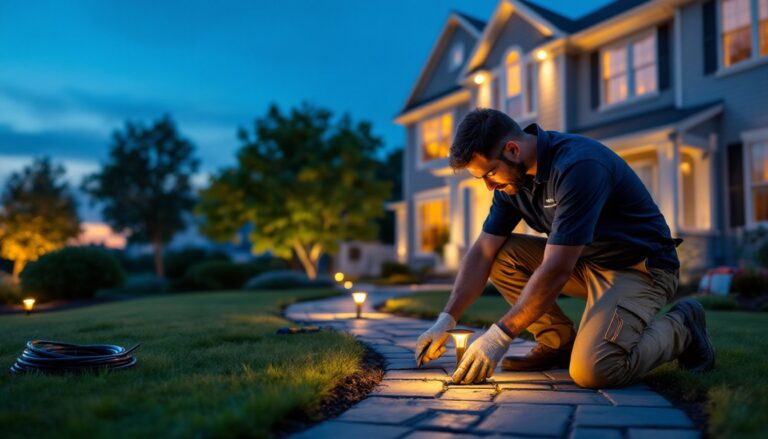
Pathway lights guide foot traffic and highlight landscaping without flooding the yard with glare. Low-voltage systems (12V or 24V) are the standard for residential installs, they’re safer to work with, easier to expand, and don’t require conduit burial in most jurisdictions.
Stake-mounted fixtures push directly into soil along walkways, garden beds, or driveways. Look for units with at least a 3-watt LED for adequate illumination. Cheaper solar path lights rarely deliver enough lumens for true visibility: they’re decorative at best. Hardwired low-voltage systems tie into a transformer (typically 100W to 300W capacity) plugged into a standard outlet or wired to a dedicated circuit.
Bullet and well lights serve different landscape roles. Bullet lights mount on stakes or hardscape and direct light upward to accent trees, walls, or architectural features. Well lights sit flush with grade and shine upward, ideal for uplighting columns or large shrubs. Both should have die-cast aluminum or brass housings for corrosion resistance.
Wall-Mounted and Porch Fixtures
Wall sconces, porch lanterns, and exterior ceiling fixtures provide functional and aesthetic lighting at entry points. These typically run on standard 120V household current, so installation involves working with electrical boxes and potentially live wiring. If you’re not comfortable with electrical work, hire a licensed electrician, exterior fixtures require weatherproof boxes and proper grounding.
Wet-rated fixtures (UL or ETL listed for direct water exposure) are mandatory for uncovered porches, open soffits, or any location exposed to rain. Damp-rated fixtures work for covered porches where water won’t directly contact the unit. Check the label before purchase.
Integrated LED fixtures have non-replaceable LED modules built in. When the LED eventually fails (after 15-20 years), you replace the entire fixture. Retrofittable fixtures accept standard LED bulbs, offering easier maintenance but slightly less sleek design. Both approaches work: choose based on budget and aesthetic preference.
Floodlights and Security Lighting
Floodlights deliver high-lumen output across wide areas, driveways, backyards, building facades. Motion-activated LED floods combine security with energy savings, running only when movement triggers the sensor. Look for adjustable sensitivity and time delay settings: cheap units trigger on every passing car or windblown branch.
Lumen output matters more than wattage for floods. A 1,500 to 2,500 lumen LED floodlight replaces a traditional 150W halogen. Dual-head fixtures let you aim light in two directions from one junction box, covering more ground without additional wiring.
Color rendering index (CRI) becomes relevant for security cameras. LEDs with CRI above 80 render colors more accurately, improving camera footage quality. Most budget LEDs sit around 70-75 CRI: step up to name-brand fixtures for better performance.
How to Choose the Right LED Outdoor Fixtures for Your Home
Start with a lighting plan. Walk your property at night and identify dark zones, trip hazards, and areas where you want visibility or ambiance. A simple sketch noting fixture locations, approximate cable runs, and existing outlets saves headaches later.
Match fixture style to your home’s architecture. A Craftsman bungalow looks odd with ultra-modern cube sconces: a contemporary build clashes with traditional carriage lanterns. When in doubt, simpler profiles age better than ornate designs. Bronze and black finishes hide dirt and oxidation better than polished metals.
IP ratings (Ingress Protection) tell you how well a fixture handles dust and moisture. IP65 is the baseline for most outdoor use, dust-tight and protected against water jets from any direction. IP67 adds immersion protection (up to 1 meter for 30 minutes), useful for in-ground well lights or fixtures near sprinkler zones.
Lumens per fixture depend on application. For reference:
- Pathway lights: 50-100 lumens (ambient)
- Porch/entry: 700-1,300 lumens (task)
- Security floods: 1,500-3,000 lumens (high-visibility)
- Accent lights: 200-400 lumens (highlighting)
Don’t over-light. Too many bright fixtures create glare, wash out architectural details, and annoy neighbors. Layer different fixture types at varied intensities for depth.
Smart controls and photocells add convenience. Built-in photocells (dusk-to-dawn sensors) turn lights on automatically when ambient light drops below a threshold. Smart bulbs and Wi-Fi-enabled fixtures integrate with home automation systems but add cost and complexity. For most homeowners, a mechanical timer or photocell delivers reliable automation without app frustrations.
Budget for the full system, not just fixtures. Low-voltage setups require transformers, burial-rated cable (usually 12/2 or 14/2 landscape wire), wire connectors, and possibly conduit. Line-voltage installs may need junction boxes, weatherproof covers, GFCI protection, and conduit burial at least 18 inches deep per NEC standards (check local codes, some jurisdictions require 24 inches).
Installation Tips for LED Outdoor Lighting Success
Safety first. For any 120V work, shut off power at the breaker and verify it’s dead with a non-contact voltage tester. Outdoor electrical work in wet conditions multiplies shock risk. If you’re uncomfortable, hire a pro.
Low-voltage pathway lighting is the most DIY-friendly option. Transformers plug into GFCI-protected outlets (required for exterior receptacles). Run landscape cable in shallow trenches (6-8 inches deep is typical, though burying deeper protects against shovel strikes). Avoid sharp bends that stress wire. Use silicone-filled wire connectors rated for direct burial, standard twist-on wire nuts corrode underground.
Transformer sizing matters. Add up the wattage of all fixtures, then choose a transformer rated at least 20% higher than your total load. A system drawing 120 watts needs a 150W transformer minimum. Undersized transformers overheat and fail early.
For wall-mounted fixtures, locate studs or use appropriate anchors if mounting to masonry. Exterior walls often have insulation and vapor barriers, don’t create unnecessary penetrations. Seal around junction boxes and fixture bases with silicone caulk to prevent water intrusion behind siding.
Aim fixtures before final tightening. Floodlights should illuminate the target area without spilling into neighbors’ windows. Adjust motion sensor angles to cover entry points without triggering on sidewalk traffic. Most sensors have test modes that speed up adjustment.
Test everything before backfilling trenches or sealing fixtures. Run the system for a full evening to catch connection issues, inadequate light coverage, or poorly aimed fixtures. It’s easier to tweak layout with open trenches than to dig up hardened soil later.
Maintain fixtures annually. Clean lenses with mild soap and water, dirt and pollen cut light output. Check for corrosion on connections, especially in coastal or high-humidity areas. Trim vegetation that grows over path lights or blocks wall sconces. Even LEDs perform poorly when buried in shrubs.
Permit requirements vary by jurisdiction. Low-voltage landscape lighting rarely requires permits. Line-voltage outdoor wiring often does, especially if you’re adding new circuits or trenching conduit. Check with your local building department before starting, unpermitted work can complicate home sales and insurance claims.
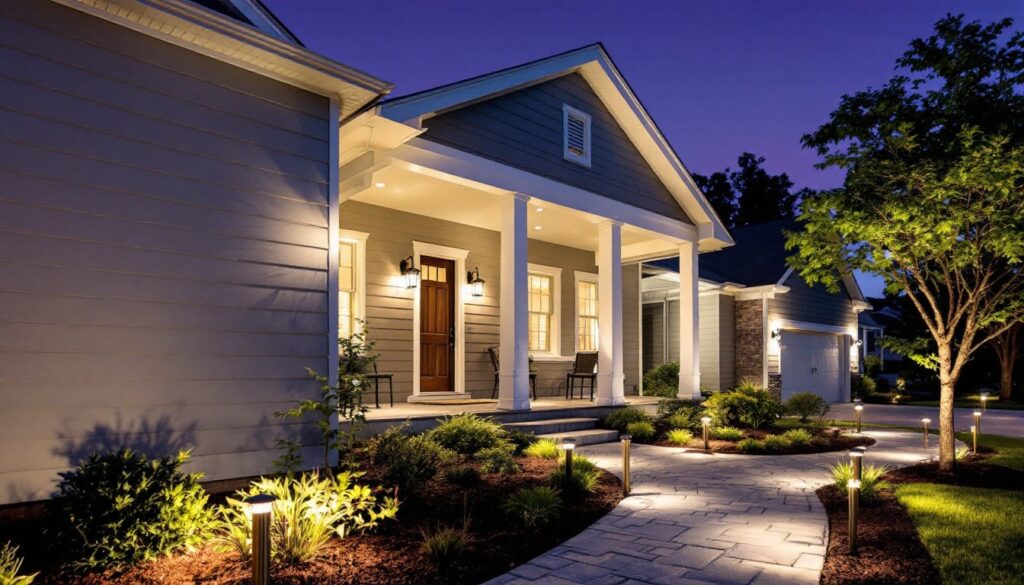
For homes with traditional design elements, consider how outdoor fixtures coordinate with interior lighting choices to maintain a cohesive style throughout the property. Many homeowners with porches layer multiple fixture types, overhead ceiling lights for general illumination, wall sconces for ambiance, and path lights extending into the yard, to create inviting outdoor living spaces that function well after dark.